
If someone had told me a few years ago that I would quit my job, move into an RV, and homeschool my daughter while traveling across the country, I probably would have laughed. But here we are — preparing for life on the road, turning highways into hallways and national parks into classrooms.
Roadschooling is exactly what it sounds like: homeschooling while traveling. Instead of learning only from textbooks, kids learn from the world around them — hiking through national parks, visiting historic landmarks, exploring museums, and experiencing new cultures.
If you’re dreaming about homeschooling on the road but have no idea where to start, this guide will walk you through everything you need to know about roadschooling.
What Is Roadschooling?
Roadschooling is a type of homeschooling where families travel while educating their children. Some families travel full-time in RVs, while others travel seasonally or take extended road trips.
Instead of being tied to one location, learning happens everywhere:
- In national parks
- At historic landmarks
- In museums and science centers
- Through nature exploration
- While experiencing different cultures and communities
Roadschooling allows children to connect what they’re learning to real-life experiences.
For example, instead of reading about geology in a textbook, they might learn about it while hiking through the Grand Canyon.
Why Families Choose Roadschooling
Every family chooses roadschooling for different reasons, but many parents are drawn to the freedom and flexibility it provides.
Here are some of the most common reasons families choose to homeschool on the road.
1. Learning Through Real Experiences
Kids remember experiences much more than worksheets.
Imagine learning about American history while standing at Gettysburg, or studying marine life while tide pooling along the Pacific coast.
These kinds of experiences make learning stick.
2. Flexible Schedules
One of the biggest benefits of roadschooling is flexibility.
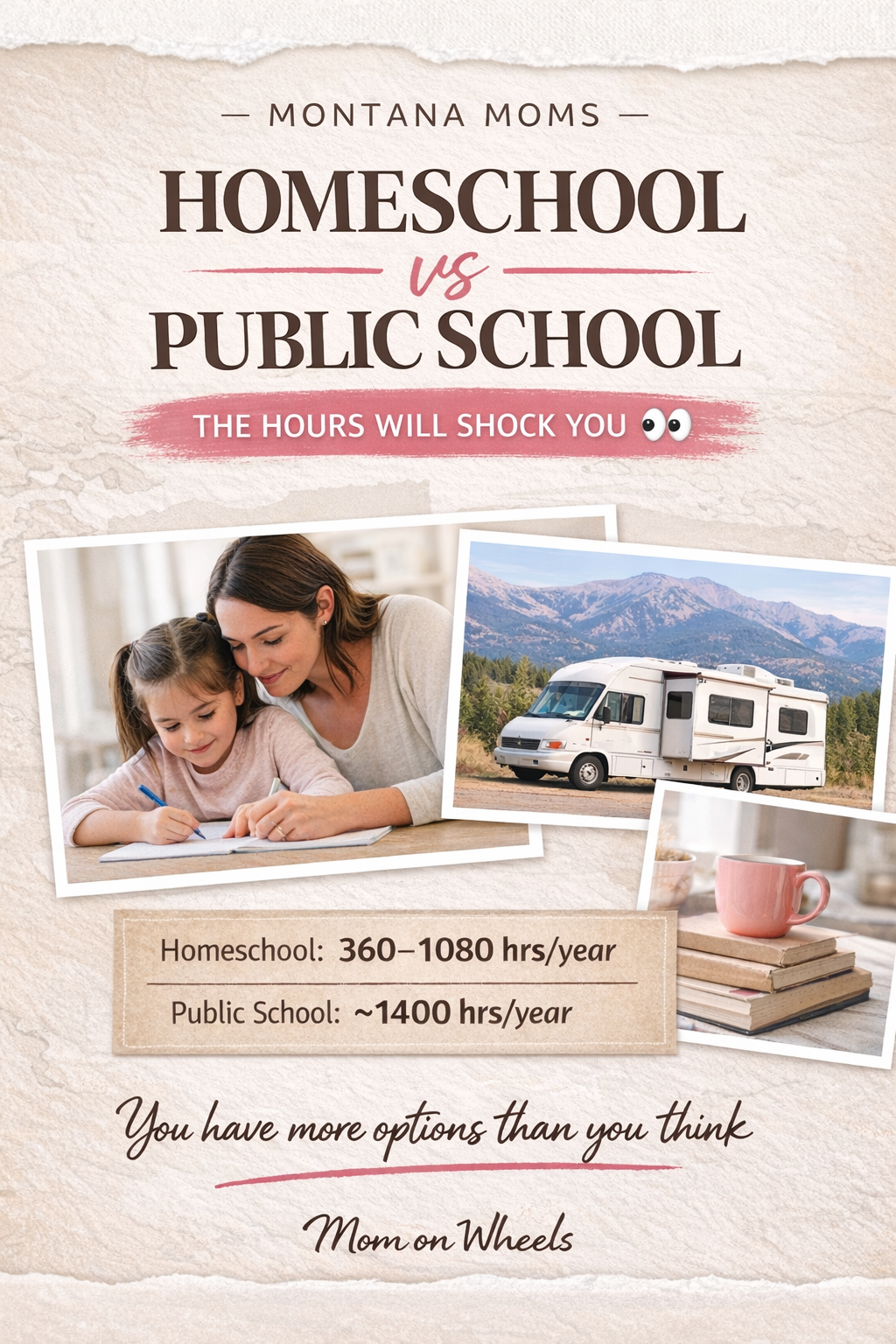
Instead of spending six hours in a classroom, many families only spend 2–3 hours on formal schoolwork each day.
The rest of the day can be spent exploring, hiking, reading, or visiting local attractions.
3. More Family Time
Traveling together creates incredible family memories.
Roadschooling allows families to spend meaningful time together while exploring new places.
4. Freedom to Travel
Many families dream of seeing the country but feel tied down by traditional school schedules.
Roadschooling allows families to travel year-round instead of only during summer vacation.
Is Roadschooling Legal?
Yes. Roadschooling is legal because it falls under homeschooling laws.
However, homeschooling laws vary by state. Some states require:
- annual assessments
- record keeping
- specific curriculum requirements
Many full-time traveling families choose a “homeschool-friendly” state as their legal residence.
These states tend to have simpler homeschooling requirements.
How to Start Roadschooling
Starting roadschooling may feel overwhelming at first, but it becomes much easier once you break it down step by step.
Step 1: Understand Your State’s Homeschool Laws
Before beginning, research the homeschooling laws in your state.
Helpful resources include homeschool organizations and state education websites.
Once you know the requirements, you can register or notify the state if necessary.
Step 2: Choose a Curriculum
Some families prefer structured online programs, while others prefer a more relaxed approach.
One popular online curriculum many roadschooling families use is Time4Learning because it allows kids to complete lessons from anywhere with internet access.
Other families mix different resources such as:
- workbooks
- reading assignments
- educational apps
- hands-on learning experiences
There is no single “right way” to roadschool.
Step 3: Create a Simple Schedule
Roadschooling works best when learning stays flexible.
Instead of trying to recreate a traditional school day, many families follow a lighter routine.
Here’s an example of a simple roadschool schedule:
Morning
• Breakfast
• Math and reading lessons
Midday
• Outdoor exploration or hiking
• Museums or local attractions
Afternoon
• Writing or science
• Journaling about the day’s experiences
Evening
• Family reading time
• Documentary or educational videos
Learning often happens naturally throughout the day.
Turning Travel Into Education
One of the most exciting parts of roadschooling is how easily travel becomes part of learning.
Here are a few ways families turn everyday adventures into educational experiences.
National Parks
National parks are incredible learning environments.
Kids can learn about:
- geology
- wildlife
- ecosystems
- conservation
Many parks even offer Junior Ranger programs where kids complete activities and earn badges.
Museums
Museums bring history, science, and art to life.
Visiting museums across the country exposes kids to subjects in ways textbooks cannot.
Cultural Experiences
Travel allows children to experience different communities, foods, traditions, and cultures.
These experiences build curiosity, empathy, and a broader understanding of the world.
How Much Time Does Roadschooling Take?
One of the biggest surprises for many new homeschool families is that school does not take all day.
Most roadschool families spend about:
2–4 hours per day on structured learning
The rest of the day becomes hands-on learning through experiences.
Reading together, exploring nature, visiting historic sites, and discussing what you see are all valuable educational moments.
The Benefits of Roadschooling
Families who roadschool often say the benefits go far beyond academics.
Roadschooling helps children develop:
- independence
- curiosity
- problem-solving skills
- adaptability
- confidence
Kids learn that the world itself can be their classroom.
Common Concerns About Roadschooling
If you’re considering roadschooling, you may have some concerns. These are completely normal.
Socialization
Many people worry homeschooled children won’t have enough social interaction.
In reality, roadschooling families often meet other traveling families at campgrounds, parks, and homeschool meetups.
Kids interact with people of different ages and backgrounds regularly.
Staying Organized
Living and learning in a small space can feel challenging at first.
Many families keep things simple with:
- small storage bins
- digital learning tools
- minimal supplies
Roadschooling works best when you focus on experiences rather than lots of materials.
Roadschooling Is an Adventure
Roadschooling is not about perfectly structured days or flawless lesson plans.
It’s about learning through curiosity, exploration, and real-world experiences.
Some days might involve math worksheets at the kitchen table. Other days might involve learning about wildlife while hiking through a national park.
Both count as education.
For families who love travel, adventure, and learning together, roadschooling can be an incredible way to raise curious, capable kids.
Final Thoughts
If you’ve been dreaming about homeschooling while traveling, roadschooling might be the perfect path for your family.
It doesn’t have to be complicated.
Start simple, stay flexible, and remember that learning happens everywhere — not just in a classroom.
For our family, the road is about to become our classroom, and we can’t wait to see where it leads.
If you’re curious about roadschooling or thinking about starting your own journey, stay tuned here on momonwheels.org where I’ll be sharing our real experiences homeschooling while traveling full-time in an RV.
The adventure is just beginning. 🚐📚✨

Leave a Reply